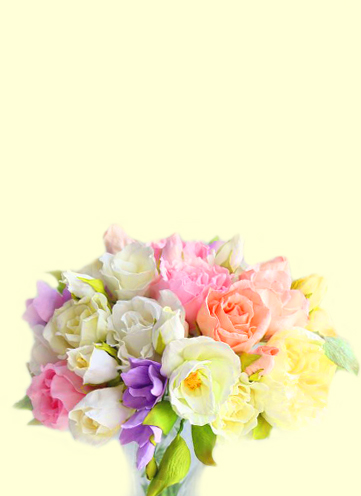
Local florist guide for Nags Head Market traders
Posted on 26/09/2026
If you trade at Nags Head Market, you already know that presentation matters. A stall can look full, fresh, and inviting one minute, then tired and half-sold the next if the flowers are not managed well. This Local florist guide for Nags Head Market traders is here to help with the practical stuff: what to stock, how to choose arrangements, how to handle fast turnarounds, and how to keep customers coming back without creating waste. The aim is simple. Make your floral offer look sharp, sell confidently, and fit the rhythm of market trading in real life, not just on paper.
Whether you sell alongside other goods, run a standalone flower setup, or supply bouquets for nearby customers on busy days, the details below will help you make better decisions. And yes, a few of them are the kind of things people only learn after a couple of messy mornings and one too many soggy paper sleeves.
Why Local florist guide for Nags Head Market traders Matters
Nags Head Market traders work in a setting where speed, trust, and visual appeal all matter at once. Flowers are not like a box of standard stock. They are alive, delicate, time-sensitive, and highly seasonal. That changes the whole business model. A buyer sees the colour first, then the freshness, then the price, and only after that do they think about the sender, the occasion, or the message. So if you are selling flowers in or around the market, you need a florist approach that fits quick decisions and local demand.
For traders, the real value of a local florist relationship is flexibility. A good setup lets you respond to sudden demand, special occasions, weekend footfall, weather changes, and those awkward moments when half your display has sold before lunch. It also helps you maintain consistency. Customers remember the stall that always had a tidy bunch, not the one that looked like it was assembled in a hurry. To be fair, market trading is often a bit of both. The trick is making it look deliberate.
This guide matters because it turns floral buying from guesswork into a repeatable system. Instead of ordering too much one week and too little the next, you can build a rhythm around your customer base. That usually means better margins, less waste, and more repeat buyers. And let's face it, with fresh flowers, waste hurts twice: once on cost and once on confidence.
Expert summary: For Nags Head Market traders, the best florist strategy is usually not the biggest range, but the most saleable range. Keep the display fresh, the choices clear, and the purchasing tight. That is where the money tends to live.
How Local florist guide for Nags Head Market traders Works
At a practical level, working with a local florist means building a supply and display routine around your market day. You place orders in a way that matches demand patterns, collect or arrange delivery in time for set-up, and then style the flowers so they hold up well through the trading session. If you are also selling related items like cards, gifts, or seasonal add-ons, the floral offer can become the visual anchor of the whole stall.
In many cases, the best model is a mixed one. You might keep a few dependable flowers ready for everyday buyers, then add seasonal varieties or occasion-led bouquets for busier periods. This helps you stay responsive without overcommitting stock. You will notice that customers often buy with the eyes first and the mind second. A well-composed bunch can sell itself before you have even finished explaining the price.
The process also works best when you think in layers:
- Core stock: reliable flowers that sell most weeks.
- Seasonal highlights: varieties that change with the time of year.
- Occasion-led pieces: birthday, thank-you, sympathy, romance, or congratulations flowers.
- Display support: buckets, wraps, tags, pricing cards, water, and transport protection.
For traders using a nearby florist supply route, speed matters almost as much as product quality. The flowers need to arrive in decent condition, but they also need to be practical for the day ahead. Some arrangements are beautiful in a shop window and awkward on a market table. Others are a bit plain in a photo but perfect for quick, confident selling. That is where local knowledge helps.
Key Benefits and Practical Advantages
There are several reasons Nags Head Market traders often do better with a local florist-style approach instead of treating flowers like an occasional add-on. The first is freshness. Local sourcing or local fulfilment generally reduces handling time, which can help flowers look better for longer. The second is responsiveness. If you need a better mix, a replacement item, or a small top-up before the busy part of the day, a local relationship tends to be easier to manage.
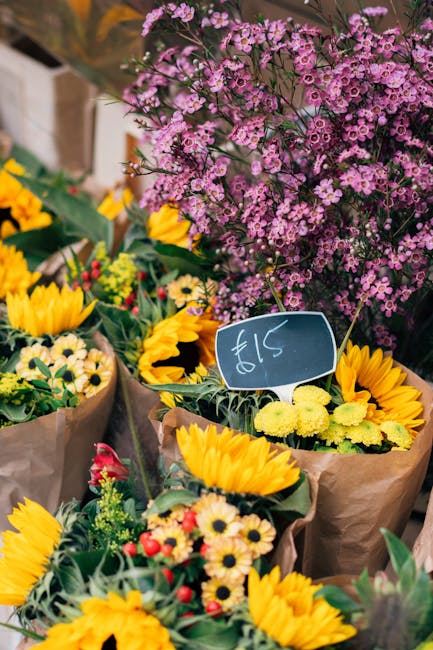
Another advantage is presentation. Fresh flowers can pull people toward a stall in a way that almost nothing else can. The colour does the work. The scent helps. Even a modest display can make a stand feel more welcoming and more premium. That is especially useful in market settings where traders are competing for attention within a few seconds of passing footfall.
Here are the main commercial benefits in plain English:
- Higher visual impact: flowers create a strong first impression.
- Faster purchasing decisions: shoppers can choose quickly when the product looks clear and attractive.
- Better upsell potential: add cards, gifts, or seasonal extras.
- Improved stock control: tighter ordering often means less waste.
- More repeat trade: customers return when they trust the quality.
There is also a softer benefit, which is brand feel. A trader who handles flowers well often seems more established, even if the business itself is small. That matters. People are buying from a person as much as from a product. A neat bouquet, clearly priced and thoughtfully presented, quietly suggests care. And in a busy market, care stands out.
| Benefit | Why it matters at Nags Head Market | What to watch |
|---|---|---|
| Freshness | Better shelf life through the trading day | Heat, direct sun, and poor water management |
| Speed | Quick turns help with busy footfall | Overcomplicated bouquets slow sales |
| Local relevance | Better fit for nearby customers and delivery windows | Assuming every buyer wants the same style |
| Waste reduction | Smarter stock planning protects margin | Ordering too many fragile blooms |
Who This Is For and When It Makes Sense
This guide is especially useful if you are a market trader selling flowers directly, combining flowers with other goods, or helping customers with occasional gifting needs. It also makes sense for traders who want a more polished seasonal display without carrying a huge amount of stock. If you are testing whether flowers belong in your offer, the answer is often yes, but only if you keep it manageable.
You may find this useful if you are:
- a trader wanting a compact, high-turnover flower range;
- a market seller adding gift items to complement fresh flowers;
- someone arranging flowers for birthdays, sympathy, or thank-you occasions nearby;
- a business owner looking for local account-style supply and repeat ordering;
- a trader who needs dependable same-day or next-day fulfilment in a pinch.
It makes the most sense when your customers value convenience and presentation. For example, a passer-by buying a bunch on the way to dinner does not want a complicated custom consultation. They want something attractive, clean, and ready to go. A small bouquet with a clear occasion label can be enough. In contrast, if you are serving bigger events or regular corporate orders, you will need a broader range and stronger planning. That is where a florist who understands repeat supply can be a real help.
Truth be told, not every trader should stock everything. Some stalls do better with a tight seasonal mix, while others benefit from a wider selection. The right answer depends on your footfall, your storage, and how much time you have before opening. A flower offer that feels easy to manage is usually the one that lasts.
Step-by-Step Guidance
If you are building or improving a flower offer for Nags Head Market trading, start with a simple workflow. You do not need a complicated system. You need one you can repeat on a busy morning when the kettle is cold, the van is late, and somebody wants a bouquet "like the one at the front, but a bit more cheerful."
- Map your trading day. Work out when customers are most likely to buy flowers, when deliveries can be received, and how long your display needs to look fresh.
- Choose your core range. Keep a few dependable flowers that are easy to sell and easy to handle. Mixed bouquets, roses, lilies, carnations, or seasonal stems are often practical starting points depending on your style.
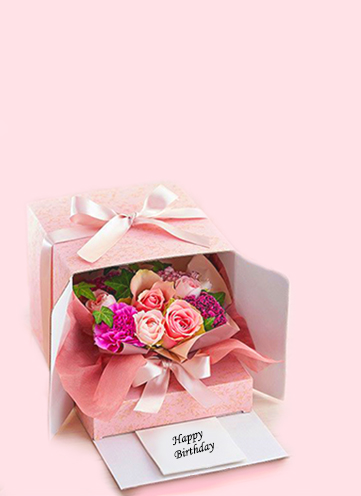
- Plan for occasions. Add products for birthdays, sympathy, romance, thanks, new home, or congratulations. Occasion-led shopping is a major driver for flower sales.
- Set your display logic. Put the most saleable items at eye level or at the front. Use clear price markers. Customers should understand the offer quickly.
- Think about transport. Make sure the flowers can survive the journey from supplier to stall and from stall to customer. Packaging matters more than people think.
- Check freshness on arrival. Remove tired stems, trim where needed, and refresh water early. A small amount of care at the start pays off all day.
- Track what sells. Note which colours, sizes, and price points move fastest. Even rough notes are useful. You do not need a spreadsheet that behaves like a tax return.
- Review the waste. At the end of the day, ask what stayed unsold and why. Was it price, colour, size, or timing? That answer usually points to the fix.
If you want a simple rule, use this: buy what you can confidently display, sell what you can clearly explain, and repeat what customers actually choose. It sounds almost too basic, but basic works when the day gets busy.
Expert Tips for Better Results
Experienced traders tend to follow a few habits that make a big difference. None of them are dramatic. That is the point. Good flower sales usually come from small, boring-looking disciplines done well.
- Build around price points. Not every bouquet should be "premium." Offer an easy entry option, a mid-range favourite, and one higher-value display piece.
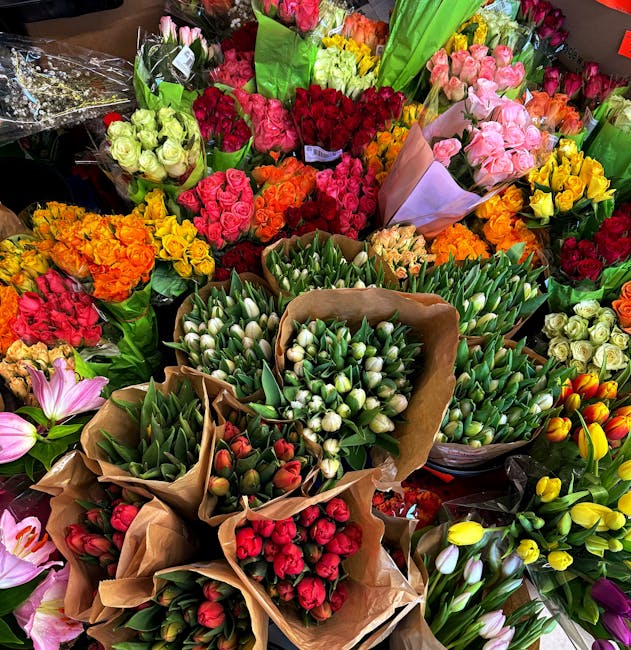
- Use colour clusters. Grouping similar shades together makes the display feel intentional and easier to browse. Pink, white, purple, red, yellow, mixed colours - these visual zones help.
- Keep one simple hero product. A reliable best-seller can anchor your stand. Something like a florist choice bouquet or a seasonal mixed bunch is often easier to move than a dozen separate options.
- Protect the heads and petals. The display should look fresh from the front, even if the back row is still being set. A little staging goes a long way.
- Use seasonal language. Customers understand "spring fresh," "summer bright," or "autumn warm" faster than a technical flower list.
- Keep a backup plan. If one flower line underperforms, have a substitute ready. This is especially handy around weekends and special dates.
A small, practical example: a trader with three price points and a neat mixed selection often sells more than someone with seven similar options. Too much choice can slow people down. Weirdly, less can sell more. Market buyers want reassurance, not a floral dissertation.
One more thing. If you are selling near lunch or late afternoon, the stall can look different by the hour. Freshening the front line after a busy burst can keep the whole stand feeling alive. People notice. They always do.
Common Mistakes to Avoid
Most flower trading mistakes are not dramatic. They are small, repeated, and expensive over time. The good news is that they are usually easy to fix once you spot them.
- Ordering too much variety. A wide range sounds attractive, but it can leave you with lots of half-sold stock and muddled messaging.
- Ignoring storage conditions. Flowers left too warm, too dry, or too cramped lose quality fast.
- Using unclear pricing. If customers have to ask every time, you slow the buying process and lose impulse sales.
- Forgetting the weather. A hot day, a windy day, or a damp one all affect how flowers hold up. Market trading is never just market trading; it is weather, footfall, timing, and luck.
- Choosing looks over sellability. Some flowers are beautiful but awkward to handle in a market setting. Beautiful and practical is the sweet spot.
- Not reviewing what sold last week. Without a simple review, you end up repeating old mistakes.
The biggest one, in my view, is trying to make every bunch do everything. A bouquet that is meant for birthdays, sympathy, romance, and a general thank-you all at once can end up appealing to nobody in particular. Better to be clear. A customer wants to know, "Is this for me?" If the answer feels obvious, you are halfway there.
Tools, Resources and Recommendations
You do not need a warehouse full of kit. You need a small, dependable setup that keeps the flowers looking good and the day running smoothly. A few items make a disproportionate difference.
- Sturdy buckets or containers: useful for transport and display.
- Clean cutters or snips: for fresh trimming and better stem uptake.
- Water and conditioning supplies: basic flower care helps more than many traders expect.
- Simple pricing labels: clarity reduces hesitation.
- Wrapping materials: keep them neat, weather-resistant, and consistent with your brand style.
- Cold or shaded holding space where possible: especially useful in warmer spells or long market days.
- Order notes: even a handwritten page can help track what sold, what was left, and what to reorder.
For additional useful pages on this site, traders often look at flower care guidance to keep stems in better condition, and the delivery information page can help if you are planning how flowers reach customers after the market. If you trade on a repeat basis, the corporate accounts option may also be relevant for ongoing ordering and service planning.
When you are choosing actual products, keep the site's flower ranges in mind. Everyday sellers often need dependable lines like best-seller bouquets, while occasion-led displays may benefit from florist choice arrangements or seasonal options such as summer flowers. For more gift-focused trading, the thank-you flowers and get-well flowers categories can be especially practical.
Law, Compliance, Standards, or Best Practice
If you are trading flowers at a market, the basics of business and consumer best practice still apply. You should give clear prices, describe products honestly, and avoid presenting something as larger, fresher, or more premium than it is. If you are operating as a business, make sure your records, payment handling, and customer information practices are managed properly and in line with your own policies. That includes returns and refunds, privacy, and payment clarity where relevant.
There is also a practical quality side to compliance. Flowers are perishable goods, so hygiene and handling matter. Clean containers, fresh water, reasonable temperature control, and careful packaging are not just nice-to-haves. They help protect the product and reduce complaints. If you deal with funeral or sympathy work, extra care with wording and timing is sensible, because those orders are personal and often time-sensitive.
For UK traders, it is wise to stay consistent with standard consumer expectations: accurate descriptions, fair treatment, and clear communication if substitutions are needed. If a bouquet changes because a stem is unavailable, the customer should know what is being swapped and why. That sounds obvious, but in a rush people skip it. Then the problem becomes a callback later. Nobody enjoys that.
Useful site policies to be aware of include terms and conditions, returns and refund information, and the guarantees page. If you are thinking about sustainability in sourcing or packaging, the sustainability page is also worth reviewing. Those pages help set expectations, which in a market setting is half the battle.
Options, Methods, or Comparison Table
There are a few practical ways a trader can structure flower supply. None is universally best. The right choice depends on your space, your customer type, and how much risk you want to carry. Here is a simple comparison that may help.
| Method | Best for | Pros | Cons |
|---|---|---|---|
| Small curated range | Busy market stalls with limited space | Easy to manage, quick to sell, low waste | Less variety for niche requests |
| Seasonal rotating range | Traders who want freshness and visual change | Feels current, supports higher interest | Needs regular adjustment and planning |
| Occasion-led range | Traders selling gifts and event flowers | Clear customer intent, strong upsell potential | Can be quieter outside peak occasion periods |
| Mixed everyday + premium | Stalls serving both impulse and gift buyers | Flexible, broad appeal | Requires tighter stock control |
If you are unsure which route to take, the safer option is usually a smaller curated range first. You can always expand once you know which flowers move and which ones just sit there looking pretty, doing nothing for your margins. Pretty is good. Paying is better.
Case Study or Real-World Example
Here is a realistic trading scenario. A small market trader wants to add flowers to their stand without taking on too much waste. They start with a compact display: a few mixed bouquets, a small set of colour-led bunches, and a handful of seasonal stems. They label everything clearly and keep one or two premium arrangements at the back as a visual draw.
On busier days, they notice that customers most often choose the easiest-to-understand options: a ready-made bunch for a birthday, a neutral bouquet for a thank-you visit, and a brighter mixed arrangement for a last-minute gift. The more complicated bouquet gets asked about a lot, but does not sell as fast. That is useful data, even if it is a bit humbling.
Over a few weeks, they adjust the offer. They reduce slow-moving lines, increase the colours people keep reaching for, and add a small card selection beside the flowers. The stall starts to feel more cohesive. Customers browse faster. Fewer stems are wasted. And the trader is no longer guessing every morning. That is the real win.
It is not glamorous. But it works.
If you want inspiration for practical product types, site ranges such as any-occasion flowers, birthday flowers, and sympathy flowers show how a trader can organise stock around clear customer intent rather than random assortment. That is usually the smart move in a market environment.
Practical Checklist
Before you trade, run through this checklist. It saves a surprising amount of hassle.
- Do I have a clear, sellable flower range for today?
- Are my prices easy to read from a short distance?
- Do I know which flowers are my best sellers?
- Have I checked freshness, water, and trimming before opening?
- Is my display tidy, colour-balanced, and easy to browse?
- Do I have packaging ready for quick purchase and carry-out?
- Are substitutions and special requests handled consistently?
- Have I planned for weather, transport, and storage conditions?
- Do I have a way to note what sold and what did not?
- Can I explain my top products in one or two simple sentences?
If you can tick most of those off, you are in good shape. Not perfect, maybe. But good enough to trade well, and that counts for a lot in a market setting.
Get a free quote today and see how much you can save.
Conclusion
A strong flower offer at Nags Head Market is not about trying to do everything at once. It is about creating a clear, attractive, manageable range that suits your customers and your trading rhythm. The best setups are usually the ones that keep things simple, stay fresh, and adapt quickly when demand shifts. That is where the margin lives, and where customers feel looked after.
If you treat flowers as a carefully planned part of your stall rather than an afterthought, you can build something that looks better, sells better, and wastes less. And once that rhythm clicks, it really does make the whole day feel easier. A little calmer too. Which, on a market morning, is no small thing.
Choose well, keep it fresh, and trust the small details. They add up.
Frequently Asked Questions
What is the best flower range for Nags Head Market traders?
The best range is usually a small, reliable mix of everyday sellers, seasonal flowers, and a few clear occasion-led bouquets. A focused range is easier to manage and tends to reduce waste.
Should market traders stock ready-made bouquets or loose stems?
Ready-made bouquets are usually better for quick sales because customers can buy fast. Loose stems can work well too, especially if you want to offer custom wrapping, but they need more time and attention.
How do I keep flowers fresh during a market day?
Use clean containers, fresh water, proper trimming, and some shade where possible. Avoid overcrowding the display, and refresh the most visible stems if the day is warm or long.
What flowers tend to sell well in a local market setting?
Simple, attractive, and easy-to-carry flowers often do best. Mixed bouquets, roses, lilies, carnations, and seasonal colour-led arrangements are common favourites, though the right mix depends on your customers.
How much choice is too much choice for a flower stall?
If customers need too long to decide, you probably have too much choice. A clear display with a handful of well-chosen options often sells better than a crowded one with similar products.
Can I sell flowers alongside other market goods?
Yes, and in many cases it works very well. Flowers can lift the look of a stall and encourage impulse purchases, especially when paired with cards, small gifts, or seasonal extras.
What should I do if a supplier substitution is needed?
Tell the customer clearly, explain the change in plain English, and make sure the replacement suits the occasion. Honest communication is usually better than pretending nothing changed.
Are local florists better for market traders than larger delivery chains?
Often yes, if you need flexibility and a more personal approach. A local supply relationship can make it easier to manage timing, small top-ups, and practical adjustments.
How can I reduce waste when selling flowers at a market?
Track what sells, keep your range focused, and avoid overbuying fragile stems. If you notice certain colours or price points move faster, lean into those next time.
Do I need special compliance for flower trading?
You need the usual business basics: accurate descriptions, fair pricing, good hygiene, and clear customer communication. If you handle more specialised orders, such as sympathy or event flowers, accuracy and timing matter even more.
What is a good first step if I want to start selling flowers at Nags Head Market?
Start small. Pick a compact range, test how it sells, and review what customers ask for most often. Once you know the pattern, you can build out the offer with much more confidence.
How do I make my flower stall look more premium without spending too much?
Focus on neat presentation, clear pricing, tidy wrapping, and colour grouping. A small, well-presented selection often feels more premium than a large, messy one. Simple really, but it works.